
 英语
英语 中文简体
中文简体 俄语
俄语 西班牙语
西班牙语 阿拉伯语
阿拉伯语
Не стесняйтесь обращаться к нам, когда вам понадобится!
What are the 7 basic types of machine tools?
 24.06.2026
 Новости отрасли
The 7 basic types of machine tools are lathes, drilling machines, boring machines, milling machines, shapers and planers, broaching machines, and grinding machines. In practical workshops, these machine tools cover the core operations of metal cutting: rotating a workpiece, making holes, enlarging holes, cutting flat or contoured surfaces, shaping profiles, producing internal or external forms, and finishing surfaces.
For buyers comparing equipment, the key point is not only knowing the names of the 7 types, but also understanding which process each machine supports. This is why an ordinary turning, milling and drilling machine series is useful for general metalworking: it focuses on the most common workshop needs, especially turning, milling, and drilling tasks used in machinery manufacturing, repair, mold work, and component processing.
Контент
- 1 Quick Answer: What Are the 7 Basic Types of Machine Tools?
- 2 How Each Basic Machine Tool Works
- 3 Comparison of the 7 Basic Types of Machine Tools
- 4 Where an Ordinary Turning, Milling and Drilling Machine Series Fits
- 5 Typical Products in This Machine Tool Category
- 6 How to Choose the Right Machine Tool for Your Workpiece
- 7 Why This Topic Matters for Buyers and Workshop Managers
- 8 Hongjia CNC and General Metal Cutting Equipment
- 9 Final Recommendation
Quick Answer: What Are the 7 Basic Types of Machine Tools?
The seven basic machine tool types can be understood by the cutting action they perform. Some are used for rough machining, while others are used for accurate finishing or special profiles.
- Lathes for turning cylindrical parts.
- Drilling machines for producing holes.
- Boring machines for enlarging and improving existing holes.
- Milling machines for cutting flat, angled, or shaped surfaces.
- Shapers and planers for linear cutting on flat surfaces.
- Broaching machines for internal or external profiles.
- Grinding machines for precision surface finishing.
If your production mainly involves shafts, sleeves, plates, brackets, holes, slots, and simple machined parts, turning, milling, and drilling machines are usually the first equipment group to evaluate.
How Each Basic Machine Tool Works
Lathe Machines
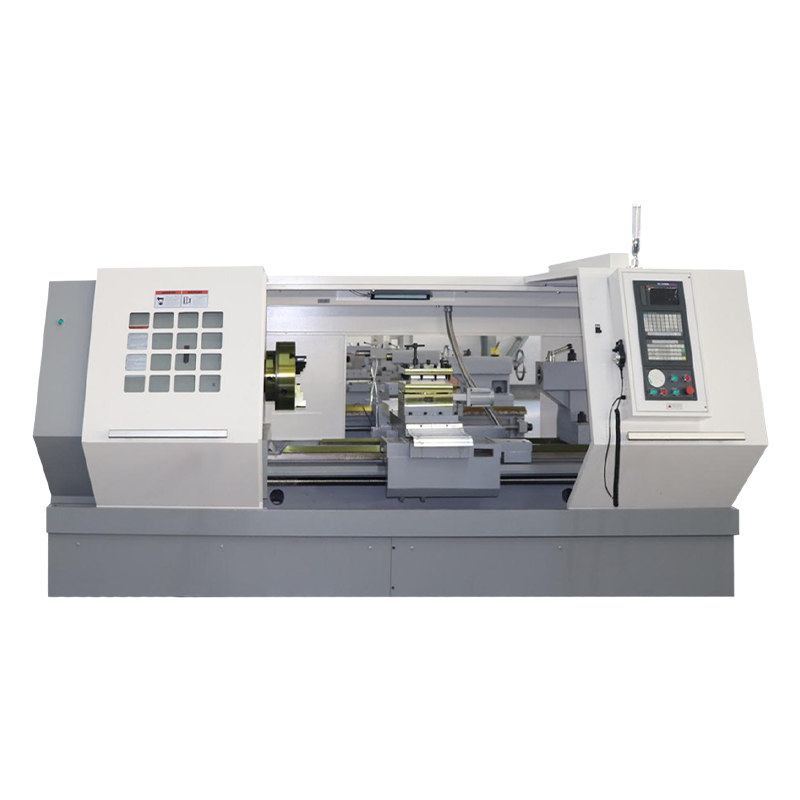
A lathe removes material by rotating the workpiece against a cutting tool. It is commonly used for shafts, bushings, sleeves, discs, threaded parts, and other cylindrical components. In a workshop, a lathe is often the first choice when the workpiece is round or needs an accurate outer diameter.
Drilling Machines
A drilling machine creates holes with a rotating drill bit. It is widely used for bolt holes, mounting holes, locating holes, and through-holes. Radial drilling machines are especially suitable for large or heavy workpieces because the drilling arm can move to different positions without frequently repositioning the part.
Boring Machines
A boring machine improves an existing hole by enlarging it or correcting its alignment. This process is important when hole diameter, roundness, or location accuracy matters more than simple hole-making.
Milling Machines
A milling machine uses rotating cutters to remove material from a fixed or moving workpiece. It can process flat surfaces, grooves, steps, keyways, and angled surfaces. Universal lifting table milling machines are often used in general machining because they can support a wide range of workpiece shapes.
Shapers and Planers
Shapers and planers use a straight cutting motion. They are suitable for machining flat surfaces, slots, and guide surfaces, especially where simple linear cutting is required.
Broaching Machines
Broaching uses a special toothed tool to cut a profile in one controlled pass. It is often used for keyways, splines, internal shapes, and repeated profile machining.
Grinding Machines
Grinding machines use abrasive wheels to achieve fine surface quality and close dimensional control. They are commonly selected after turning or milling when the final surface finish or accuracy requirement is higher.
Comparison of the 7 Basic Types of Machine Tools
| Machine Tool Type | Main Operation | Typical Workpieces | Workshop Value |
|---|---|---|---|
| Lathe | Turning | Shafts, sleeves, discs | Essential for round parts |
| Drilling Machine | Hole making | Plates, frames, housings | Fast and practical hole processing |
| Boring Machine | Hole enlargement | Large housings, bearing seats | Improves hole accuracy |
| Milling Machine | Surface and slot cutting | Blocks, plates, molds | Flexible for varied shapes |
| Shaper and Planer | Linear cutting | Flat surfaces, guideways | Useful for simple flat machining |
| Broaching Machine | Profile cutting | Keyways, splines, internal forms | Efficient for repeated profiles |
| Grinding Machine | Precision finishing | Precision shafts, flat surfaces | Improves finish and accuracy |
Where an Ordinary Turning, Milling and Drilling Machine Series Fits
An ordinary turning, milling and drilling machine series is closely related to three of the most frequently used basic machine tool types: lathes, milling machines, and drilling machines. These machines are commonly used in repair shops, training workshops, small-batch production, tooling rooms, and general machinery plants.
This type of product category is practical because many metal parts require more than one operation. For example, a simple shaft may need turning on the outside diameter, drilling at the end face, and milling of a keyway. A bracket may require milling of a flat mounting surface and drilling of bolt holes. Choosing machines from the same ordinary turning, milling and drilling machine series helps users build a balanced machining setup instead of purchasing equipment randomly.
- For cylindrical parts, choose an ordinary lathe.
- For plates, grooves, steps, and flat surfaces, choose a milling machine.
- For hole processing on larger workpieces, choose a radial drilling machine.
Typical Products in This Machine Tool Category
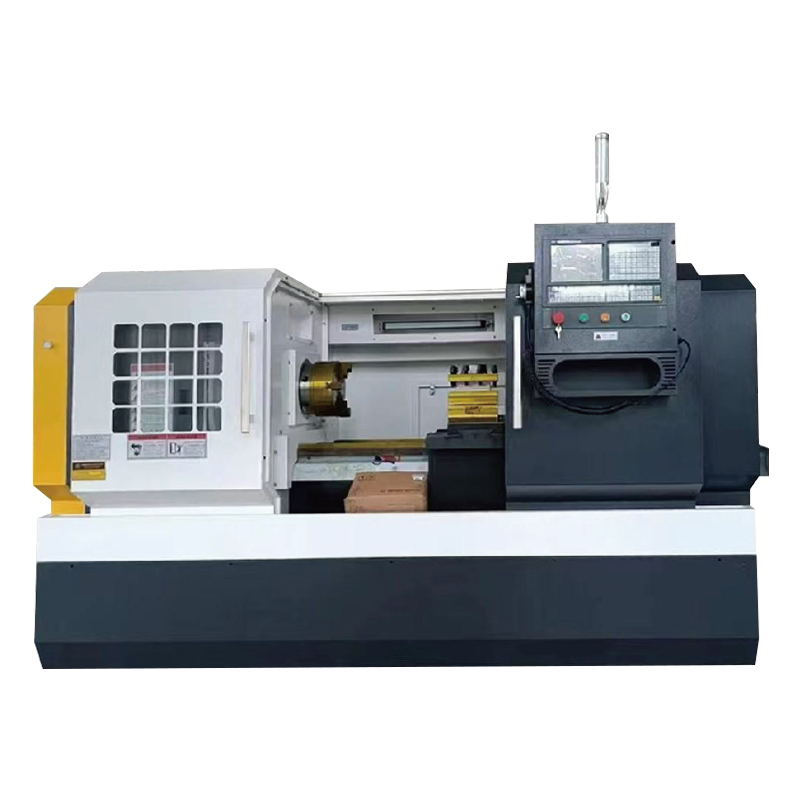
The ordinary turning, milling and drilling machine series may include products such as ordinary lathes, universal lifting table milling machines, and radial drilling machines. These models support essential metal-cutting operations and are suitable for users who need reliable equipment for common machining tasks.
| Product Type | Suitable Processing | Typical Parts |
|---|---|---|
| Ordinary Lathe | Turning, facing, threading | Shafts, rollers, bushings |
| Universal Milling Machine | Milling planes, grooves, steps | Blocks, fixtures, plates |
| Radial Drilling Machine | Drilling, reaming, tapping | Frames, flanges, large plates |
How to Choose the Right Machine Tool for Your Workpiece
To choose correctly, start with the geometry of the part, not only the machine name. A round part usually points to a lathe, a flat or grooved part usually points to a milling machine, and a part with many holes points to a drilling machine. If a workpiece requires several of these operations, plan the process route before selecting equipment.
Check the Main Machining Operation
If more than half of the machining time is spent on round surfaces, a lathe should be the priority. If most operations involve flat surfaces, slots, or mounting surfaces, milling capacity becomes more important. If the product is a large plate or frame with many holes, drilling reach and worktable capacity should be checked first.
Match Machine Size to Workpiece Size
Machine size should leave enough room for safe clamping, tool travel, and operator access. A workpiece that barely fits on the table may reduce efficiency because setup, alignment, and chip removal become more difficult.
Consider Future Work, Not Only Current Orders
A machine tool is a long-term production asset. Buyers should consider whether future parts may require larger swing diameter, longer bed length, wider table travel, or stronger drilling capacity. Selecting slightly more capacity than the current minimum requirement can improve workshop flexibility.
Why This Topic Matters for Buyers and Workshop Managers
Understanding the 7 basic types of machine tools helps buyers avoid mismatched equipment. A grinding machine cannot replace a lathe for basic turning. A drilling machine cannot replace a milling machine for accurate slot cutting. A broaching machine is efficient for repeated profiles but may not be suitable for general workshop tasks.
For many users, the practical starting point is still turning, milling, and drilling. These processes appear in a wide range of parts, from simple repair components to machinery bases, shafts, brackets, and housings. That is why the ordinary turning, milling and drilling machine series remains an important category for workshops that need dependable general-purpose machining equipment.
Hongjia CNC and General Metal Cutting Equipment
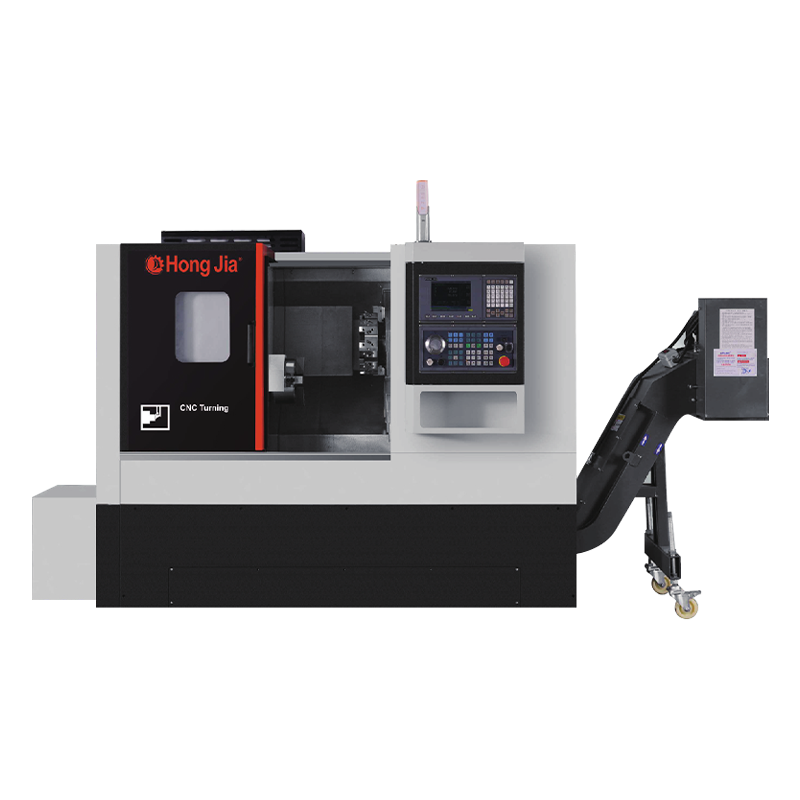
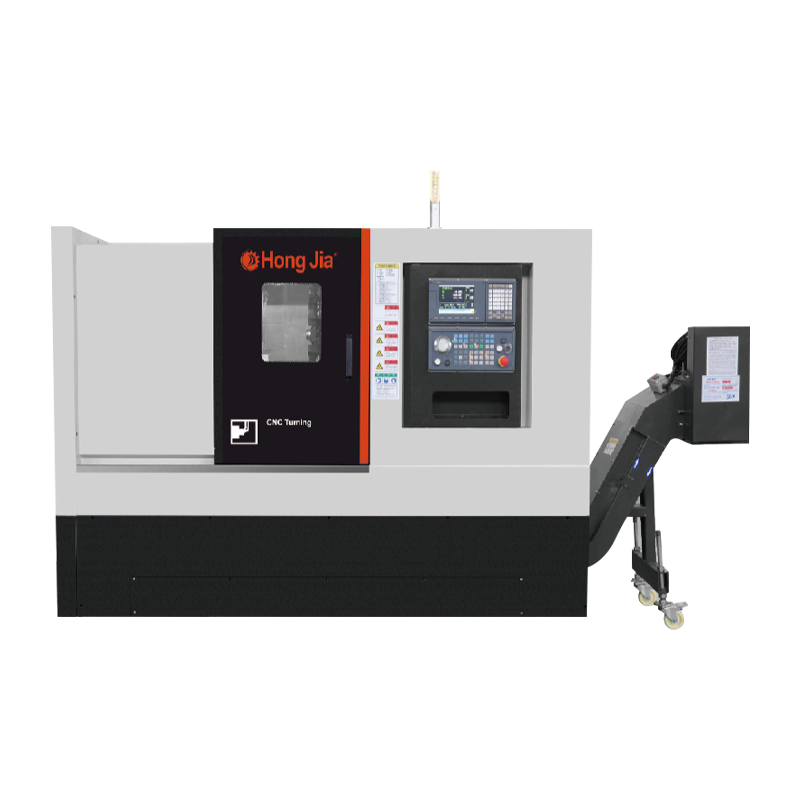
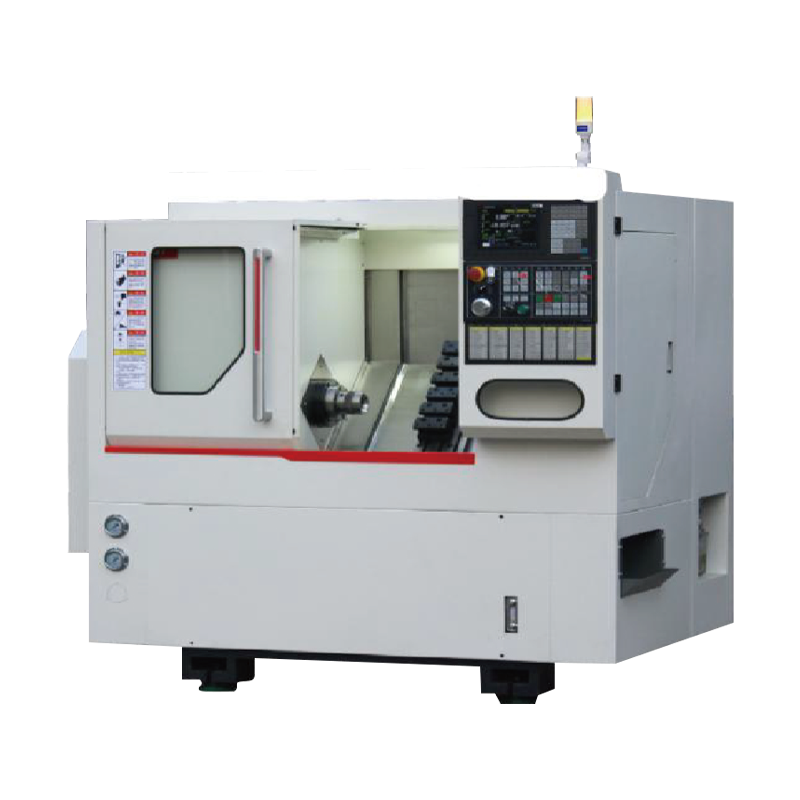
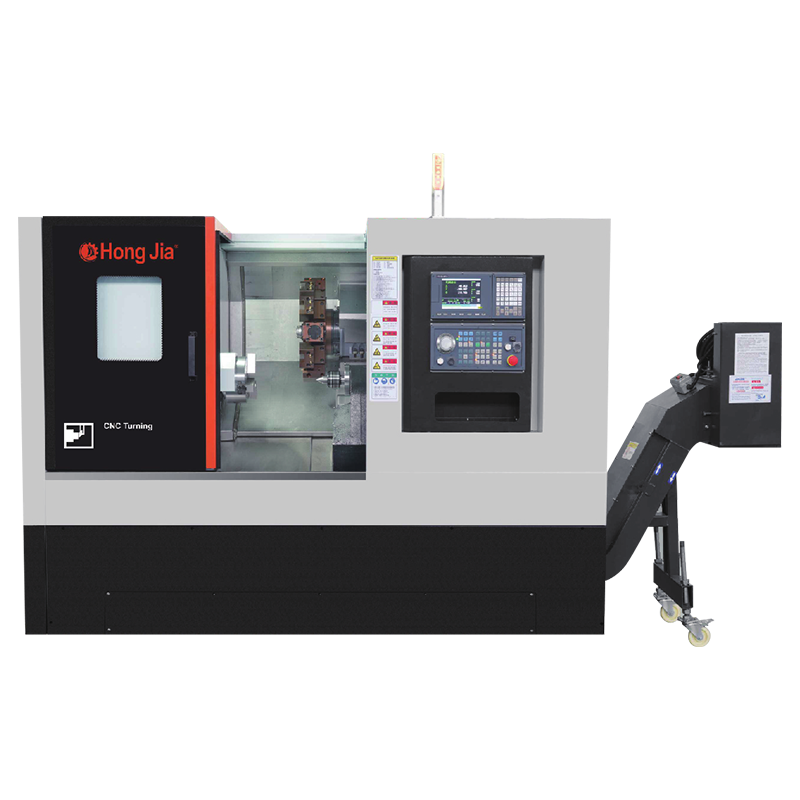
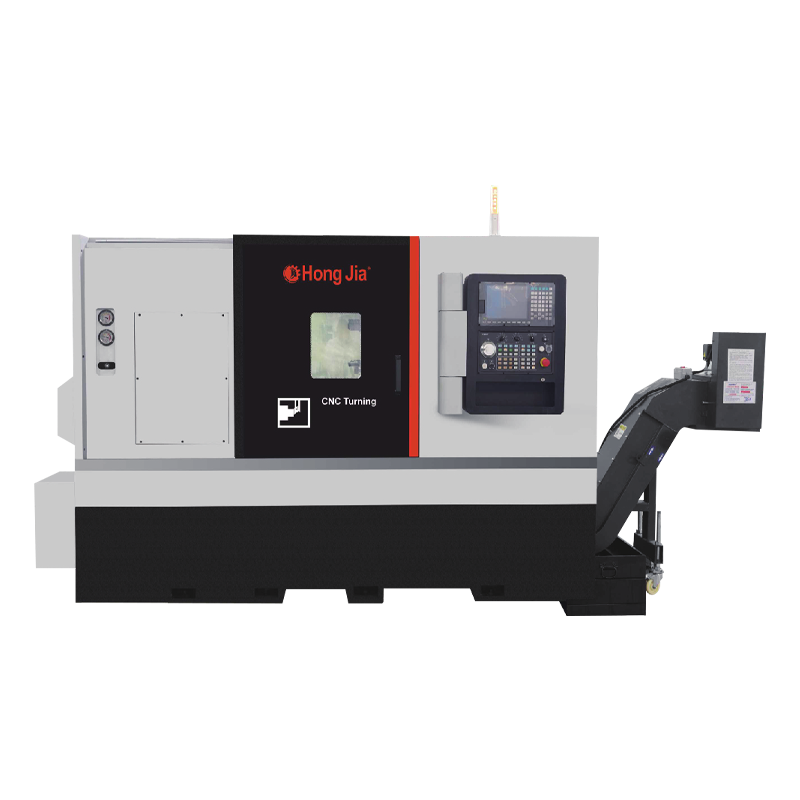
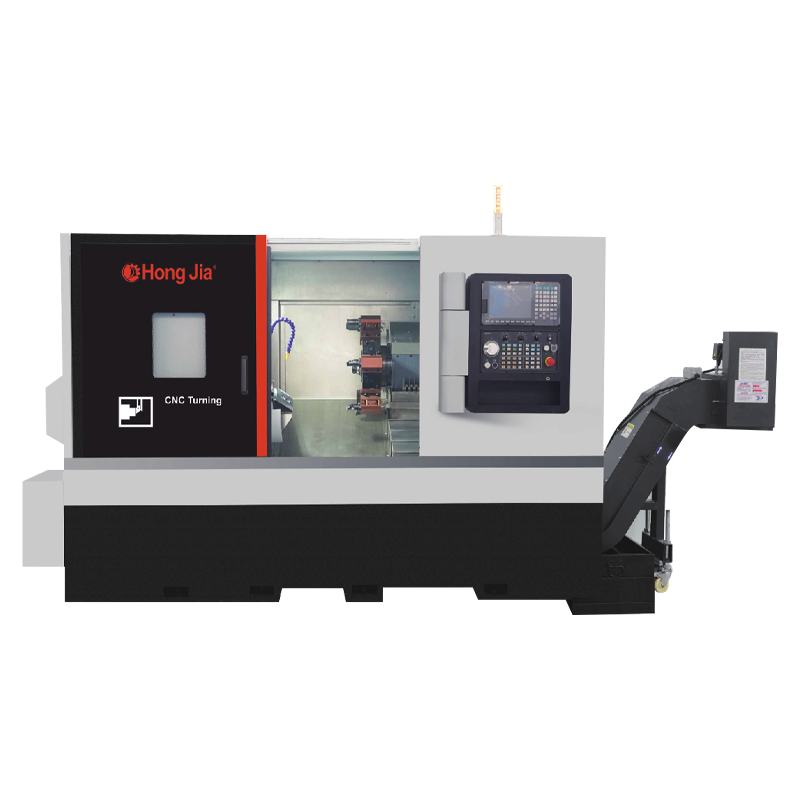
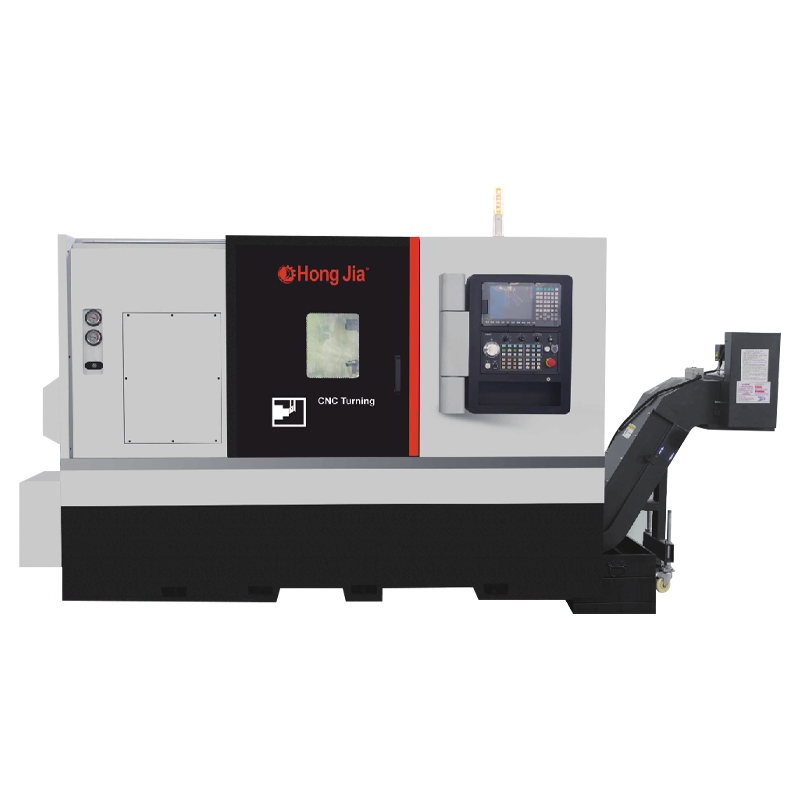
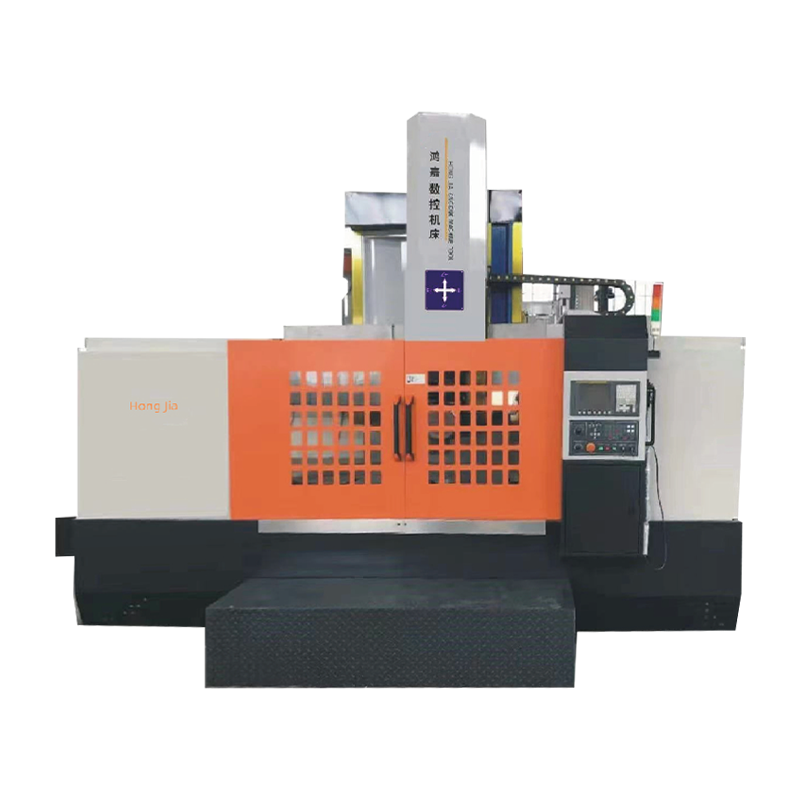
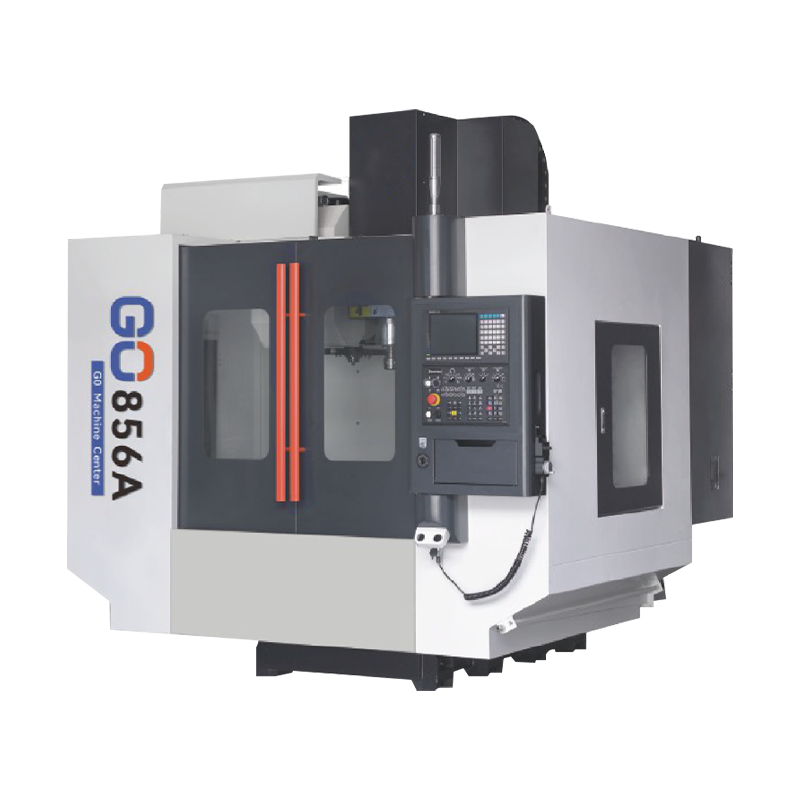
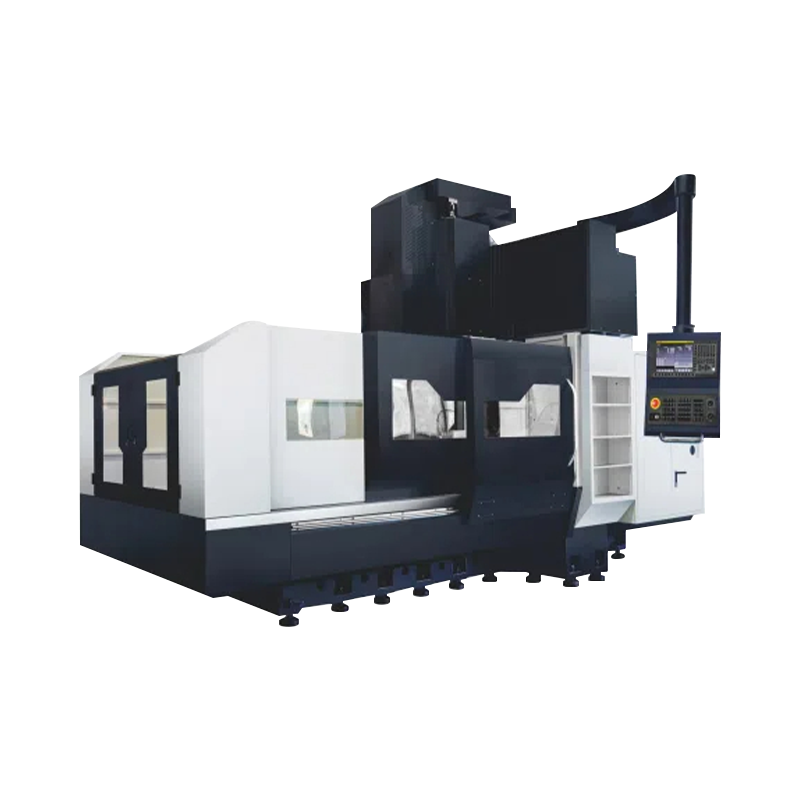
Ningbo Hongjia CNC Technology Co., Ltd. focuses on CNC metal cutting equipment and provides machine tool solutions for different industrial needs. Its product categories include horizontal CNC turning and milling series, vertical lathe series, milling centre series, and ordinary turning, milling and drilling machine series.
For users evaluating general machining equipment, the ordinary turning, milling and drilling machine series offers a direct way to compare machines used for everyday workshop operations. It is especially relevant when the goal is to build a practical machining line for turning parts, milling surfaces, and drilling holes.
Final Recommendation
The 7 basic types of machine tools explain the foundation of metal cutting, but the best purchase decision depends on the workpiece and process route. If your parts mainly require turning, milling, and drilling, start by reviewing the ordinary turning, milling and drilling machine series and match each machine to the operations your workshop performs most often.
For a balanced setup, combine equipment based on real part requirements: a lathe for round components, a milling machine for surfaces and slots, and a drilling machine for hole processing. This approach keeps the selection practical, reduces unnecessary investment, and supports more efficient daily production.
Авторское право © Ningbo Hongjia CNC Technology Co., Ltd.
